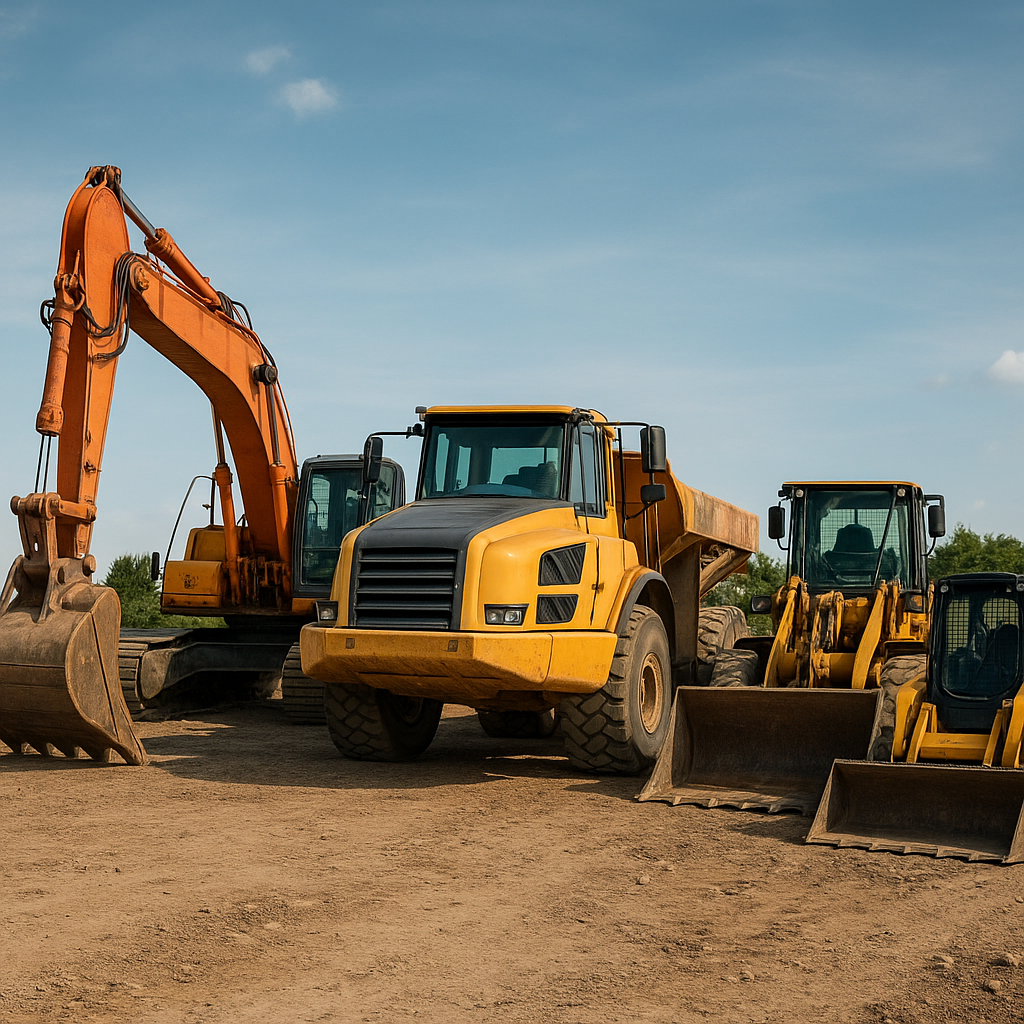
Types of construction vehicles
Types of construction vehicles: a field guide for site managers
I’ve spent the better part of a decade walking dusty job sites, checking load capacities, and watching crews push heavy iron through tight deadlines. Back in the day, you could run a site with brute force and a couple of diesel engines. Now, the math is completely different. Fleet optimization, telematics, and emissions compliance dictate whether a project stays on budget or bleeds cash. If you are trying to figure out which machines actually belong on your next pour, you need a clear breakdown without the dealer jargon. I’ll walk you through what works, why it matters, and how the industry shifted from raw horsepower to precision engineering.
Types of construction trucks and their core functions
When you step onto a fresh lot, the first thing you notice is the sheer variety of heavy equipmnet parked near the staging area. Not every rig pulls the same weight or handles the same terrain. The chassis, axle configuration, and dump mechanism define the workflow. A rigid frame handles steep haul roads, while articulated models pivot through muddy trenches. Payload distribution matters more than raw engine output, especially when you are dealing with wet concrete, aggregate, or structural steel. Site managers who mismatch a vehicle to the soil type usually end up paying for extra fuel and tire replacements. The calibratoin between ground pressure and tire width can make or break a wet season schedule.
Different construction vehicles for specialized tasks
- Articulated dump carriers: built for unstable ground and tight turning radii on rough terrain.
- Rigid frame haulers: optimized for high-volume transport on graded haul roads with consistent traction.
- Lowboy trailers: designed for moving oversized machinery like excavators and tower cranes between sites.
- Concrete mixer units: keep slurry homogenous through continuous drum rotation and precise discharge angles.
The real bottleneck on any mid-sized project isn’t the machine itself, it’s how the operator understands load dynamics, brake fade, and center-of-gravity shifts under variable weather conditions.
| Machine Category | Typical Payload Range | Primary Use Case | Terrain Tolerance |
|---|---|---|---|
| Articulated Hauler | 25–40 tons | Earthmoving, quarry haul | High (mud, slope, loose gravel) |
| Rigid Dump Truck | 40–90 tons | High-volume aggregate transport | Medium (requires graded roads) |
| Flatbed Transporter | 20–60 tons | Equipment relocation | Low (paved or stabilized only) |
| Vacuum Excavator | 5–12 cubic yards | Utility trenching, non-destructive digging | Medium (urban, compact zones) |
Choosing the right construction truck for modern projects
The industry moved fast after the Tier 4 Final regulations dropped, and now operators are tracking real-time fuel burn, hydraulic pressure, and maintenance windows through cloud dashboards. You don’t guess when to change filters anymore; the telematics module pings your phone before the warning light even hits. Fleet managers in the EU and USA are pushing for Stage V and upcoming 2026 Tier 5 standards, which means cleaner combustion cycles and lower particulate output. If you are running a tight urban footprint, electric and hybrid powertrains cut noise complaints and keep you inside municipal zoning limits. The learning curve is steep, but the payoff shows up in reduced idle time and longer brake life.
How trucks used for construction evolved over decades
Fifty years ago, you drove a heavy rig by feel, listening to the engine knock and watching smoke patterns to adjust gear shifts. Today, electronic control units manage torque distribution, anti-lock braking, and load-sensing hydraulics automatically. The shift from mechanical linkages to fly-by-wire steering changed how crews approach precision grading. Automation didn’t replace the operator; it shifted the skill set toward data interpretation, route planning, and predictive maintenance. Human error still happens, but modern safety systems catch rollover risks and blind-spot collisions before they become insurance claims. The machines are smarter, the paperwork is heavier, and the margin for waste is practically gone.
If you want to track compliance updates and safety benchmarks that align with current North American and European standards, check out official construction safety guidelines before locking in your next fleet purchase.