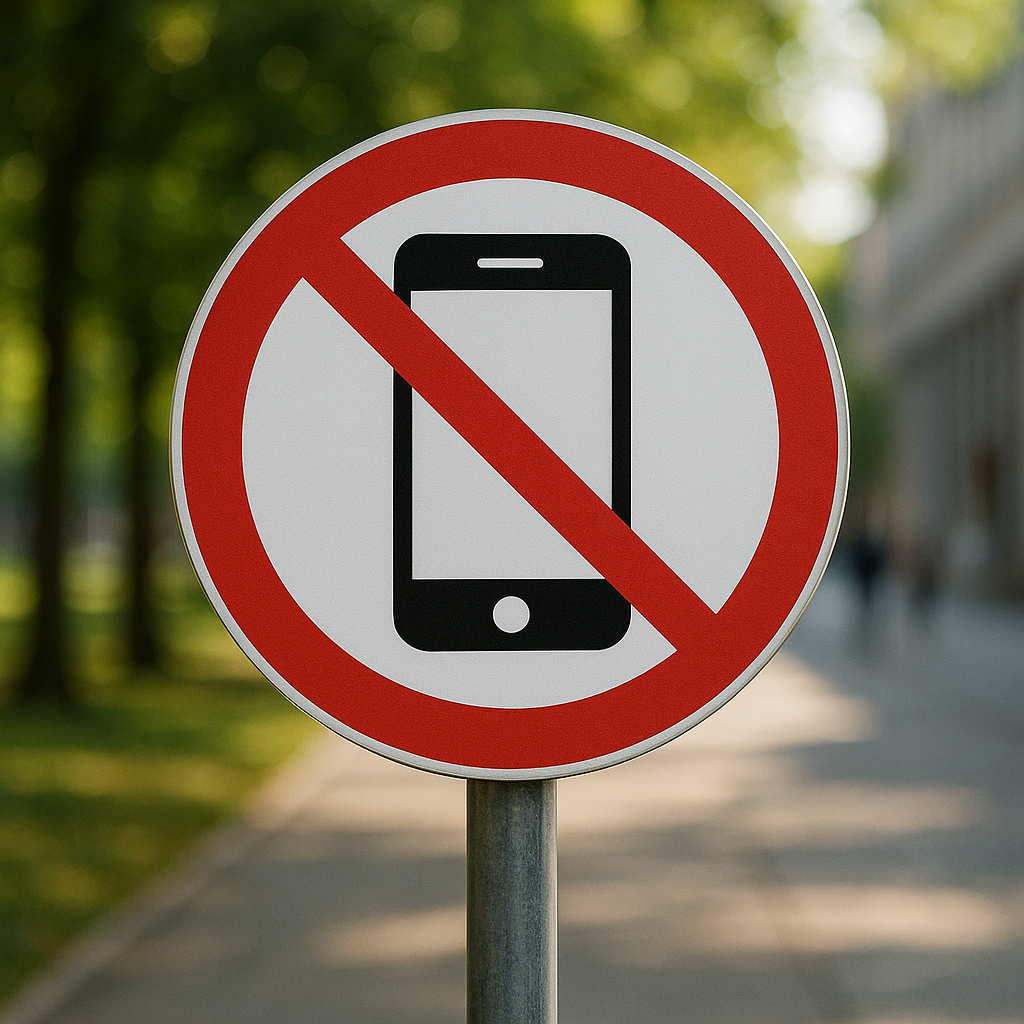
Phone ban
Phone Ban: Navigating the New Classroom Reality
I have watched the debate around screen time in education shift from a niche concern to a mainstream policy push over the last decade. Back when I was sitting through algebra, a pager or a bulky flip phone was the absolute peak of classroom distraction. Today, we are dealing with pocket-sized supercomputers that pull attention away from the blackboard in milliseconds. It is a complex issue that touches on developmental psychology, digital literacy, and institutional management all at once.
The Mechanics of a School Cell Phone Ban
At its core, the framework is a structured policy designed to limit personal device usage during instructional hours. The terminology can get muddy, so let us clarify it quickly. A restriction of this type usually falls into two categories: full confiscation or secure storage during the day. The primary problem it aims to solve is the fragmentation of student attention. When notifications ping constantly, working memory gets overloaded. Teachers end up competing with algorithms for eyeballs, which definatly drains classroom energy.
- Reduced cyberbullying during unsupervised breaks
- Improved face-to-face social skill development
- Lower rates of academic cheating via quick searches
Why a Cell Phone Ban Reshapes Attention
Looking back twenty years, the idea of regulating personal electronics would have sounded absurd because the technology simply did not exist in its current form. The transformation has been massive. We moved from a world where silence was the default to one where constant connectivity is expected. A targeted restriction forces a reset on those habits. Students learn to tolerate boredom again, which is actually a critical cognitive state for deep problem solving. Without that friction, the brain never builds the neural pathways needed for sustained concentration.
| Policy Approach | Implementation Level | Primary Outcome |
|---|---|---|
| Complete Restriction | High enforcement | Maximum focus recovery |
| Designated Usage Windows | Moderate oversight | Balanced digital access |
| Yondr-Style Pouches | Logistical management | Secure physical separation |
Implementing a Phone Ban in Schools
Putting theory into practice is where things get interesting. A structured approach requires consistent buy-in from staff, parents, and the students themselves. I have spoken with administrators who struggle with the daily logistics, but the ones who stick with the framework report fewer disciplinary incidents. The trick is communication. When families understand that the goal is cognitive protection rather than punishment, compliance improves dramatically. We also have to acknowledge that teenagers recieve constant social pressure to stay online, which makes any restriction feel heavy at first.
Restricting devices is not about cutting off the modern world. It is about creating a protected space where young minds can practice deep work without digital interruptions.
Tracking Progress with a School Phone Ban
The dynamics around this policy are shifting rapidly as districts test different models. Early implementations were often blunt, but modern approaches focus on teaching self-regulation alongside clear boundaries. Over the past three years, data from European and American districts shows a steady increase in structured device management programs. You can track the legislative momentum and district guidelines through this resource: EdWeek Policy Tracker 2026. The trend is moving away from outright bans toward hybrid systems that balance digital citizenship with focused learning time. As educators refine these strategies, we will likely see more nuanced frameworks that adapt to how Gen Alpha actually processes information.